ICP-MS for Trace Element Analysis: Applications in Research & Defence Laboratories
Introduction
Establishing a robust analytical workflow is the cornerstone of any modern laboratory. ICP-MS for Trace Element Analysis: Applications in Research & Defence Laboratories represents a critical area of focus for scientists and engineers striving to meet these demanding requirements. Whether operating in a fast-paced commercial environment or a highly secure government research facility, the principles of accurate, reproducible analysis remain the same.
Strategic Procurement and Lifecycle Management
Procuring high-value scientific instruments is a long-term strategic decision. The initial capital expenditure is only a fraction of the total cost of ownership.
Evaluating Total Cost of Ownership (TCO)
When drafting tenders, laboratory managers must calculate the cost of consumables (like high-purity argon for ICP systems, or HPLC grade solvents), routine maintenance, and energy consumption. Instruments that offer eco-friendly modes or require less frequent calibration offer significant long-term savings.
The Importance of Local Service Support
An instrument is only as good as the service team backing it. For critical government and defence laboratories, downtime is unacceptable. Evaluating the vendor's local presence, the availability of spare parts in the country, and the comprehensive terms of the Annual Maintenance Contract (AMC) is often the deciding factor in successful procurement.
Tailoring Technology to the Application
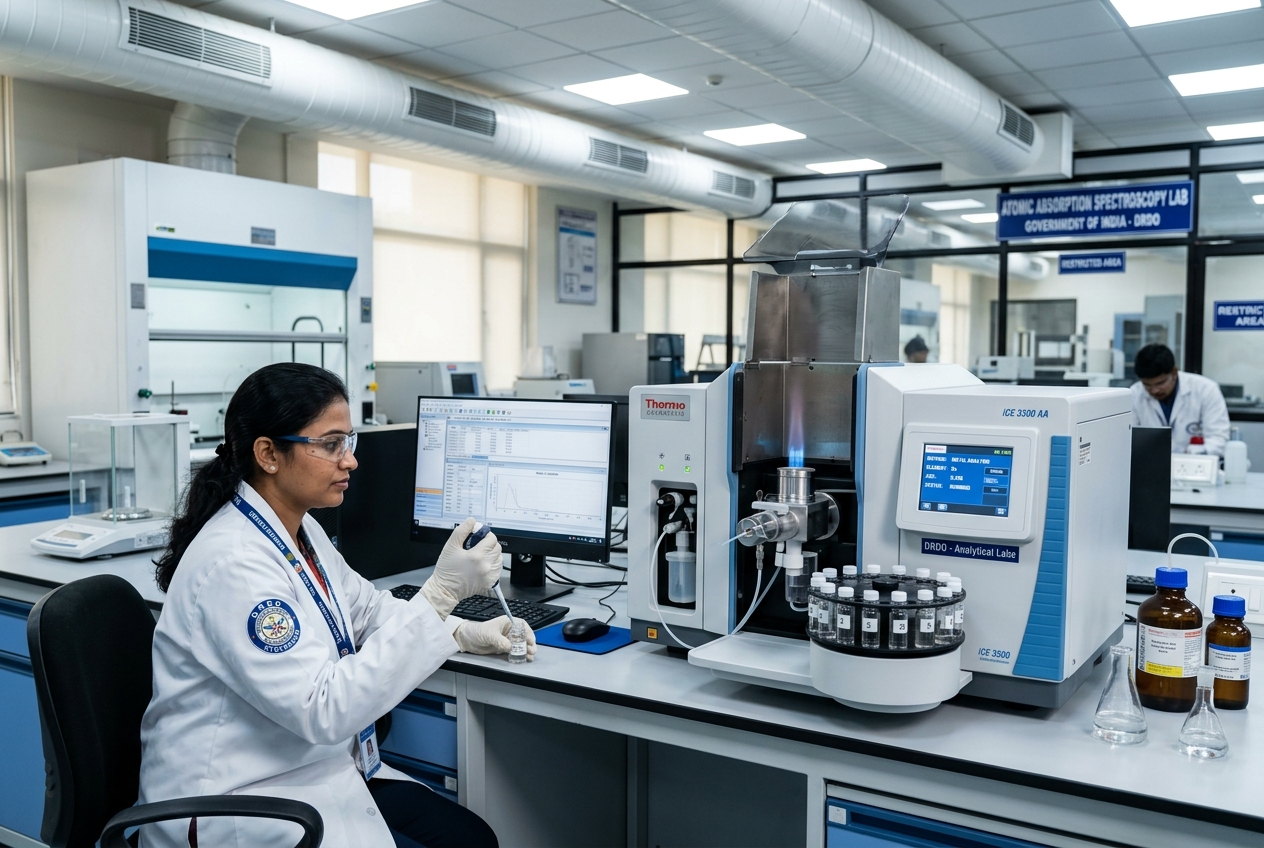
Every analytical instrument has specific strengths tailored to particular chemical or physical properties. The key to successful laboratory design is matching the instrument's fundamental capabilities—whether that is molecular fingerprinting via spectroscopy, elemental quantification via plasma ionization, or structural mapping via X-ray diffraction—directly to the standard operating procedures (SOPs) mandated by your industry's governing bodies.
The Core of Analytical Excellence
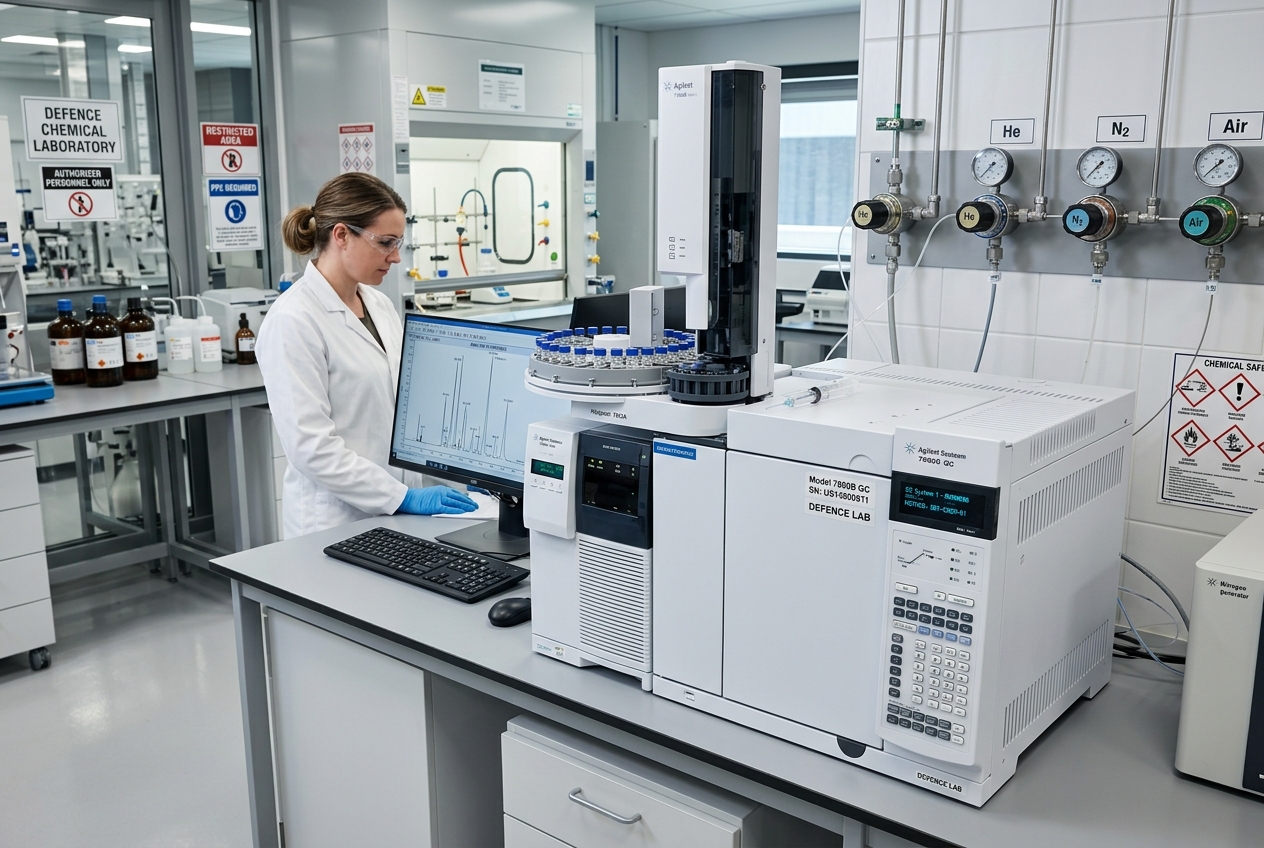
To maintain global competitiveness and strict compliance with national and international standards, laboratories must leverage a diverse array of advanced instrumentation. The primary focus for any facility is ensuring that the data generated is reproducible, accurate, and secure.
Ensuring Regulatory Compliance
Whether adhering to FDA 21 CFR Part 11 in pharmaceuticals, or NABL/BIS standards in government testing, the choice of instrument dictates the laboratory's ability to seamlessly pass audits. Systems must incorporate secure audit trails, robust data management, and automated validation protocols (IQ/OQ/PQ).
Precision vs. Accuracy
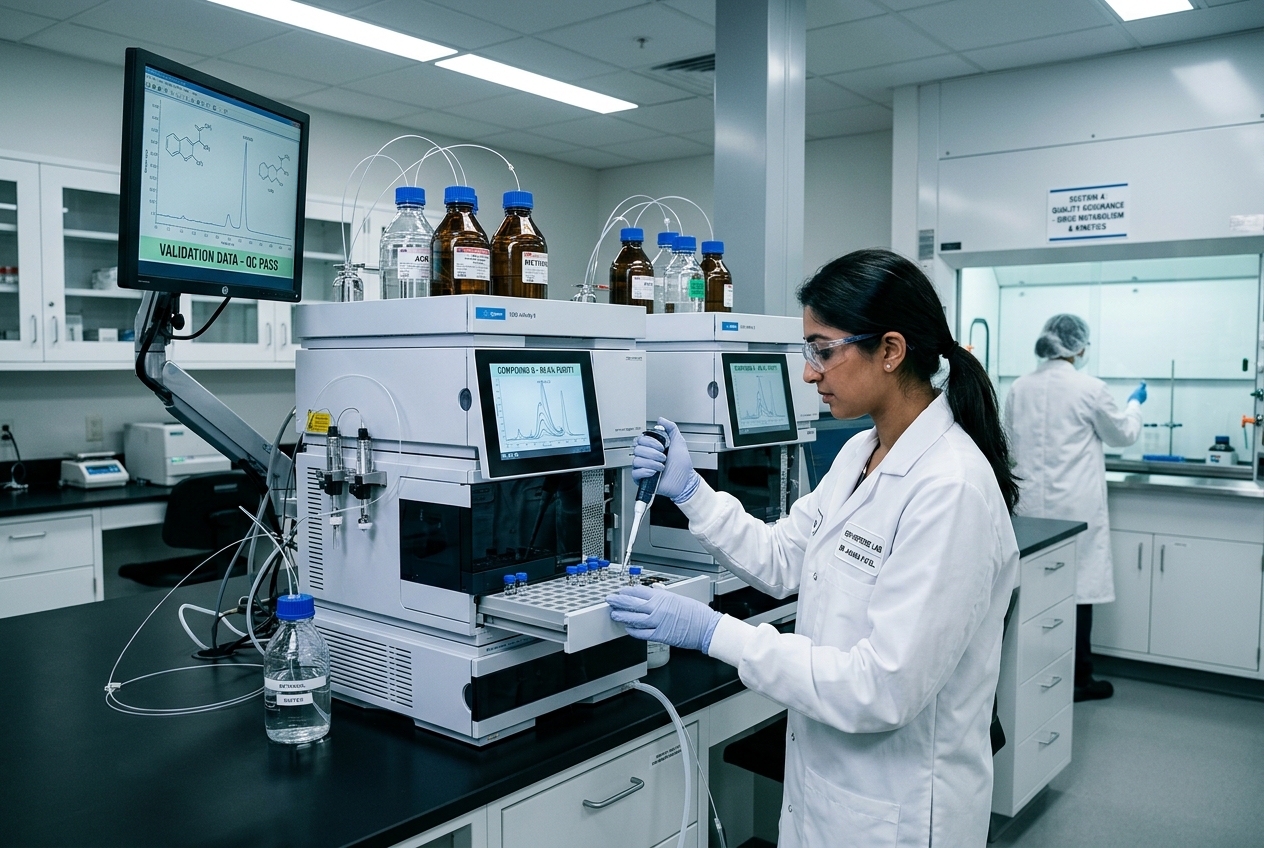
A fundamental concept when discussing these systems is the distinction between accuracy (how close a measurement is to the true value) and precision (how reproducible the measurement is). High-end instruments are engineered to deliver both, utilizing advanced optical, mass-spectrometric, or chromatographic detectors to minimize statistical variance.
Conclusion
By investing in robust, compliant, and well-supported technological platforms, facilities can guarantee the integrity of their analytical results for years to come. For tailored advice on configuring your laboratory, our team of technical experts is available to assist in navigating these complex procurement decisions.