HPLC vs. GC: Understanding the Difference Between Chromatography Techniques
Introduction
In today's highly regulated environment, possessing the right analytical capabilities is non-negotiable. HPLC vs. GC: Understanding the Difference Between Chromatography Techniques represents a critical area of focus for scientists and engineers striving to meet these demanding requirements. Whether operating in a fast-paced commercial environment or a highly secure government research facility, the principles of accurate, reproducible analysis remain the same.
Advanced Methodologies for Modern Challenges
The analytical techniques deployed must match the complexity of the matrices being analyzed. Modern instruments offer unprecedented capabilities compared to their predecessors from just a decade ago.
Embracing Automation
One of the most significant shifts in laboratory technology is the move towards complete automation. High-capacity autosamplers, robotic sample preparation workstations, and intelligent software that proactively identifies maintenance needs are drastically reducing human error and increasing throughput.
The Rise of Hyphenated Techniques
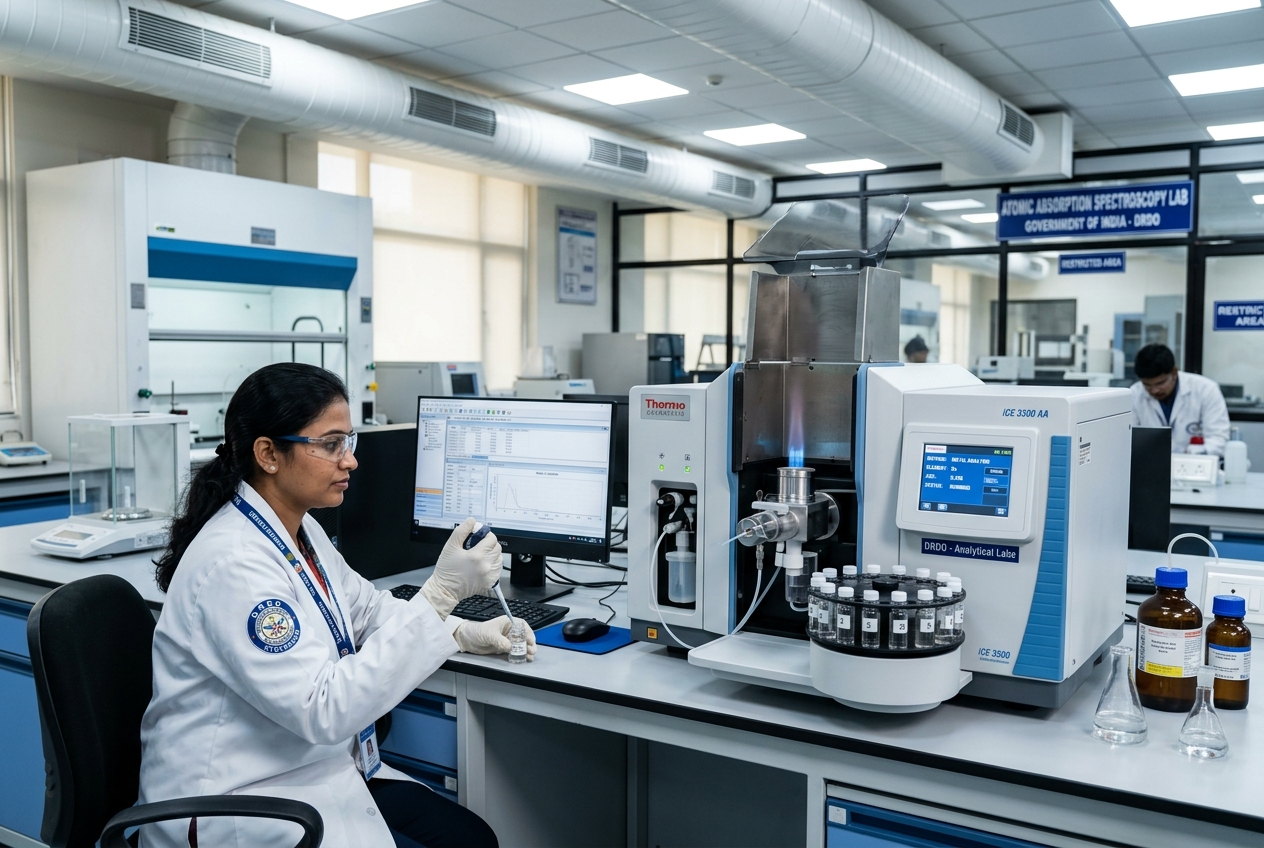
Analyzing complex mixtures often requires more than one technology. Hyphenated techniques—such as GC-MS, LC-MS/MS, or ICP-MS—combine the separation power of chromatography with the definitive identification capabilities of mass spectrometry. This synergistic approach allows laboratories to conquer previously impossible analytical challenges, reaching detection limits in the parts-per-trillion range.
HPLC vs. GC: Core Differences
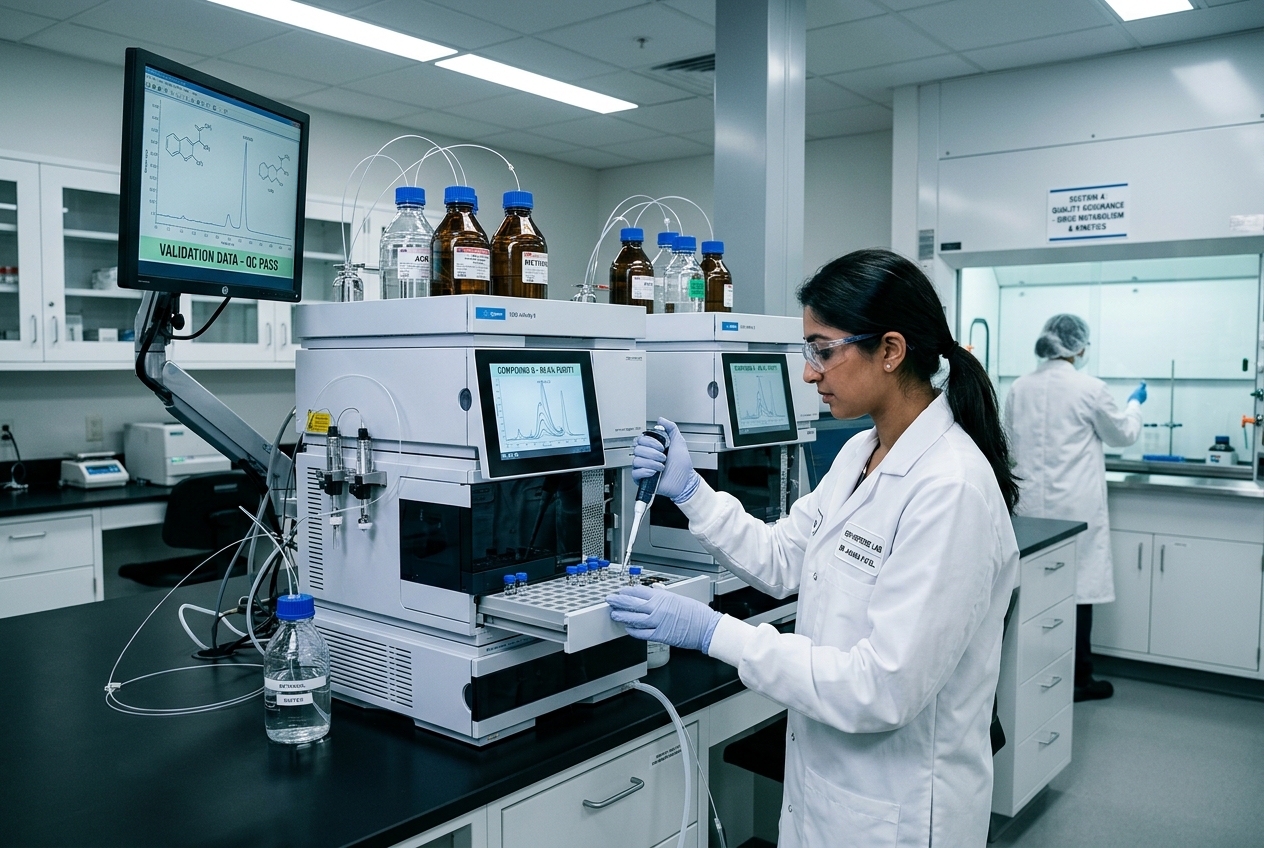
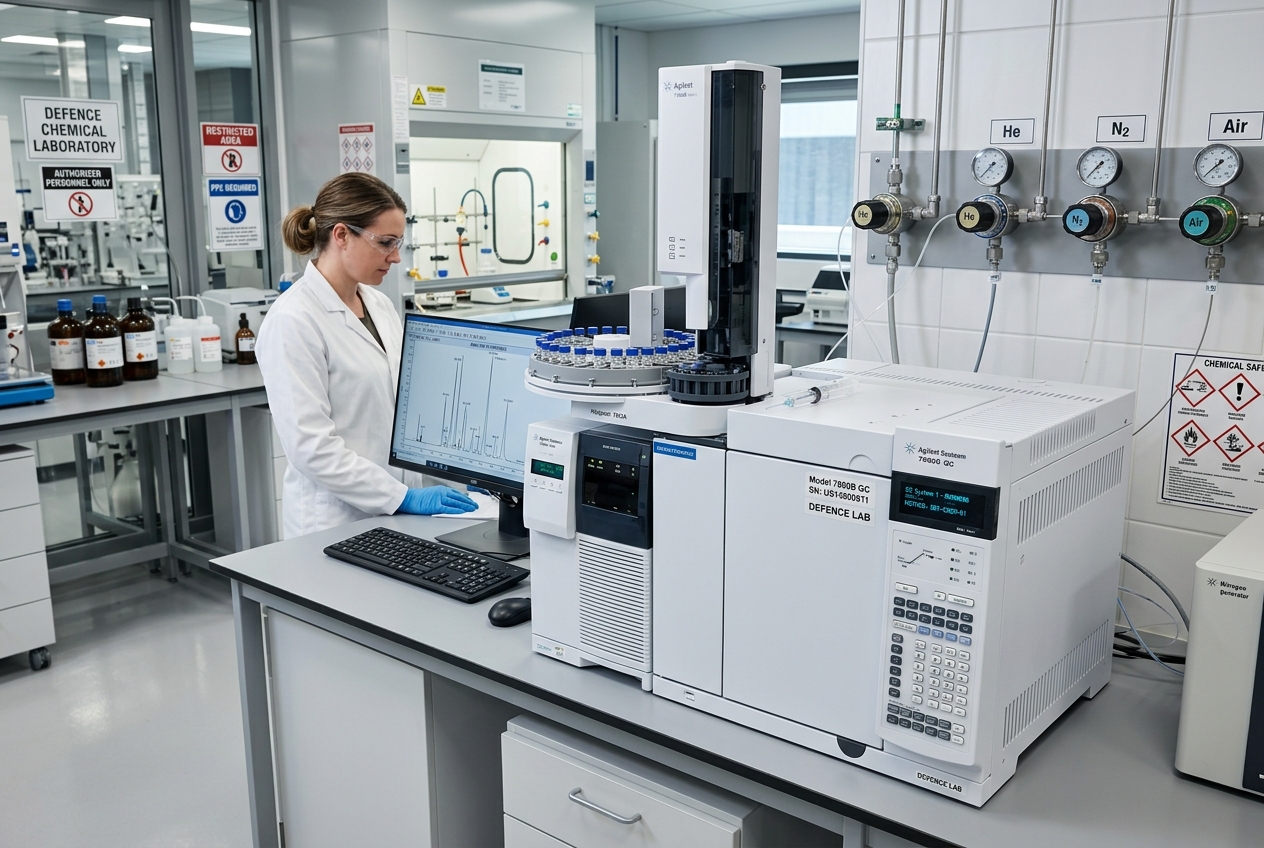
The primary difference lies in the mobile phase. GC uses an inert gas (like Helium or Nitrogen) to carry volatile compounds through a heated column. HPLC uses a liquid solvent pumped at high pressure to carry soluble compounds through a packed column.
GC: Ideal for volatile, thermally stable compounds (e.g., solvents, essential oils, residual explosives).
HPLC: Ideal for non-volatile, thermally fragile, or high-molecular-weight compounds (e.g., pharmaceuticals, proteins, large polymers).
Strategic Procurement and Lifecycle Management
Procuring high-value scientific instruments is a long-term strategic decision. The initial capital expenditure is only a fraction of the total cost of ownership.
Evaluating Total Cost of Ownership (TCO)
When drafting tenders, laboratory managers must calculate the cost of consumables (like high-purity argon for ICP systems, or HPLC grade solvents), routine maintenance, and energy consumption. Instruments that offer eco-friendly modes or require less frequent calibration offer significant long-term savings.
The Importance of Local Service Support
An instrument is only as good as the service team backing it. For critical government and defence laboratories, downtime is unacceptable. Evaluating the vendor's local presence, the availability of spare parts in the country, and the comprehensive terms of the Annual Maintenance Contract (AMC) is often the deciding factor in successful procurement.
Conclusion
Ultimately, the strategic selection of analytical instruments empowers laboratories to push the boundaries of scientific discovery while maintaining uncompromising quality. For tailored advice on configuring your laboratory, our team of technical experts is available to assist in navigating these complex procurement decisions.