AAS vs ICP-OES vs ICP-MS: Which Elemental Analysis Technique Should You Choose?
Introduction
In today's highly regulated environment, possessing the right analytical capabilities is non-negotiable. AAS vs ICP-OES vs ICP-MS: Which Elemental Analysis Technique Should You Choose? represents a critical area of focus for scientists and engineers striving to meet these demanding requirements. Whether operating in a fast-paced commercial environment or a highly secure government research facility, the principles of accurate, reproducible analysis remain the same.
The Core of Analytical Excellence
To maintain global competitiveness and strict compliance with national and international standards, laboratories must leverage a diverse array of advanced instrumentation. The primary focus for any facility is ensuring that the data generated is reproducible, accurate, and secure.
Ensuring Regulatory Compliance
Whether adhering to FDA 21 CFR Part 11 in pharmaceuticals, or NABL/BIS standards in government testing, the choice of instrument dictates the laboratory's ability to seamlessly pass audits. Systems must incorporate secure audit trails, robust data management, and automated validation protocols (IQ/OQ/PQ).
Precision vs. Accuracy
A fundamental concept when discussing these systems is the distinction between accuracy (how close a measurement is to the true value) and precision (how reproducible the measurement is). High-end instruments are engineered to deliver both, utilizing advanced optical, mass-spectrometric, or chromatographic detectors to minimize statistical variance.
AAS vs. ICP-OES vs. ICP-MS
Choosing between these three elemental techniques depends on your budget, sample volume, and required detection limits:
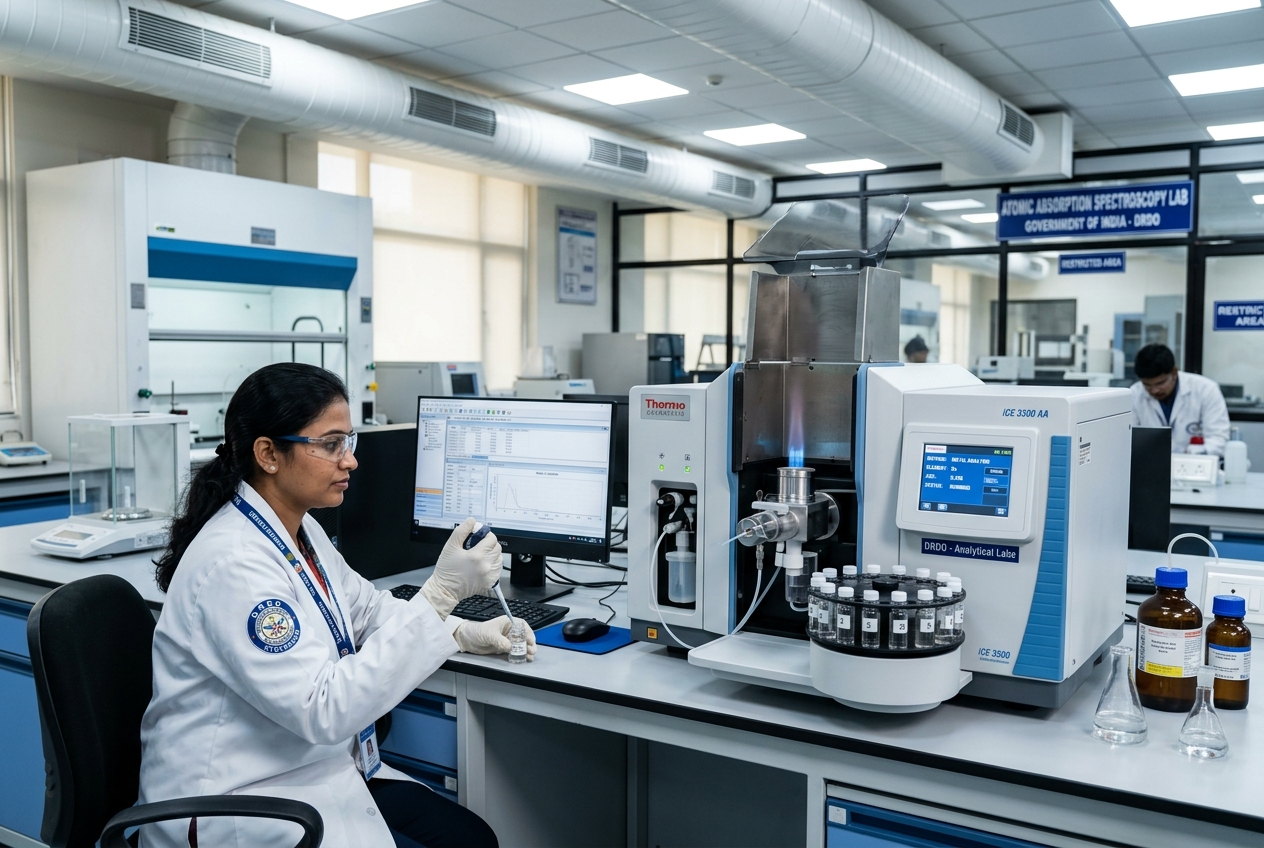
AAS (Atomic Absorption): Measures one element at a time. Excellent for low-budget labs doing routine analysis at ppm levels (Flame) or ppb levels (Furnace).
ICP-OES (Optical Emission): Measures multiple elements simultaneously. Ideal for high-throughput labs analyzing complex matrices at ppm to ppb levels.
ICP-MS (Mass Spectrometry): The ultimate in trace analysis. Measures multiple elements and isotopes simultaneously at ppt to ppq levels. High capital and operational cost.
Advanced Methodologies for Modern Challenges
The analytical techniques deployed must match the complexity of the matrices being analyzed. Modern instruments offer unprecedented capabilities compared to their predecessors from just a decade ago.
Embracing Automation
One of the most significant shifts in laboratory technology is the move towards complete automation. High-capacity autosamplers, robotic sample preparation workstations, and intelligent software that proactively identifies maintenance needs are drastically reducing human error and increasing throughput.
The Rise of Hyphenated Techniques
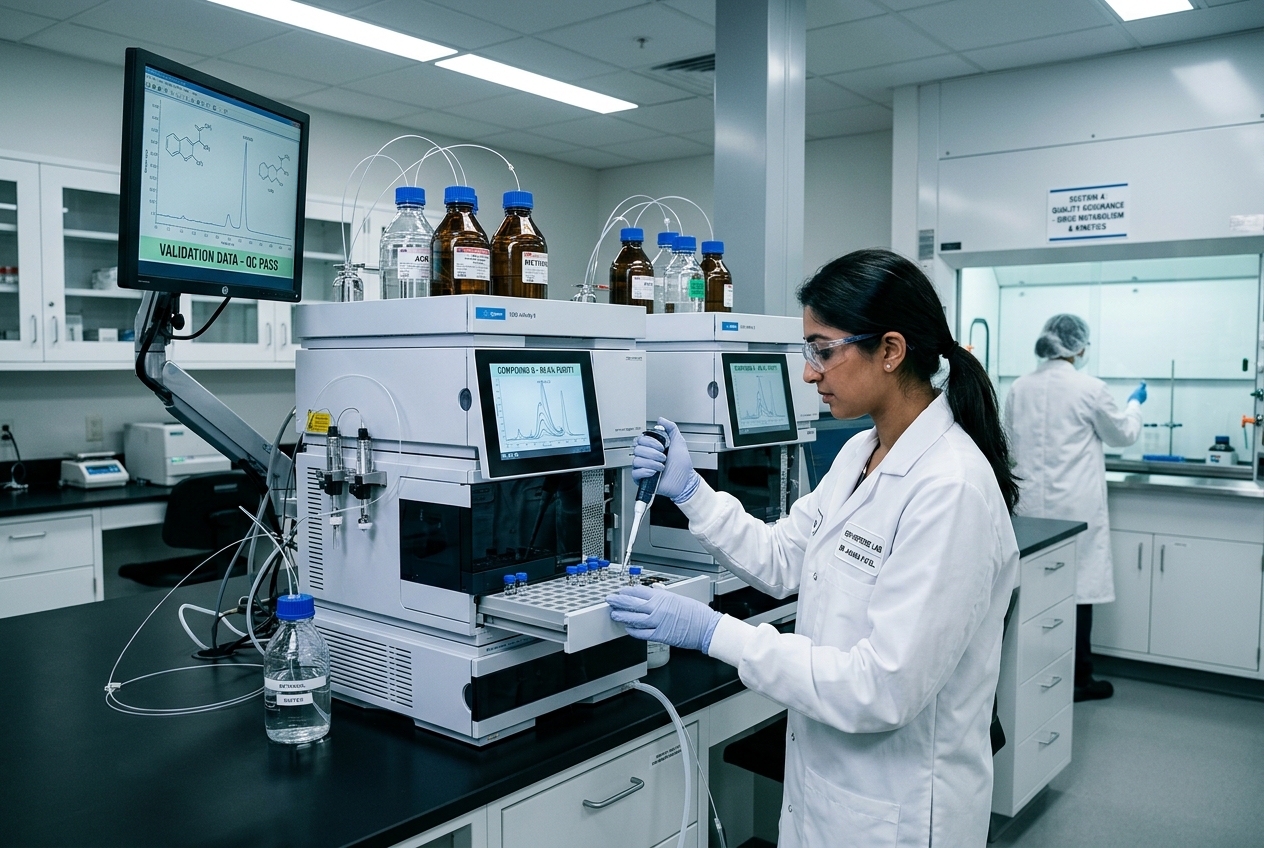
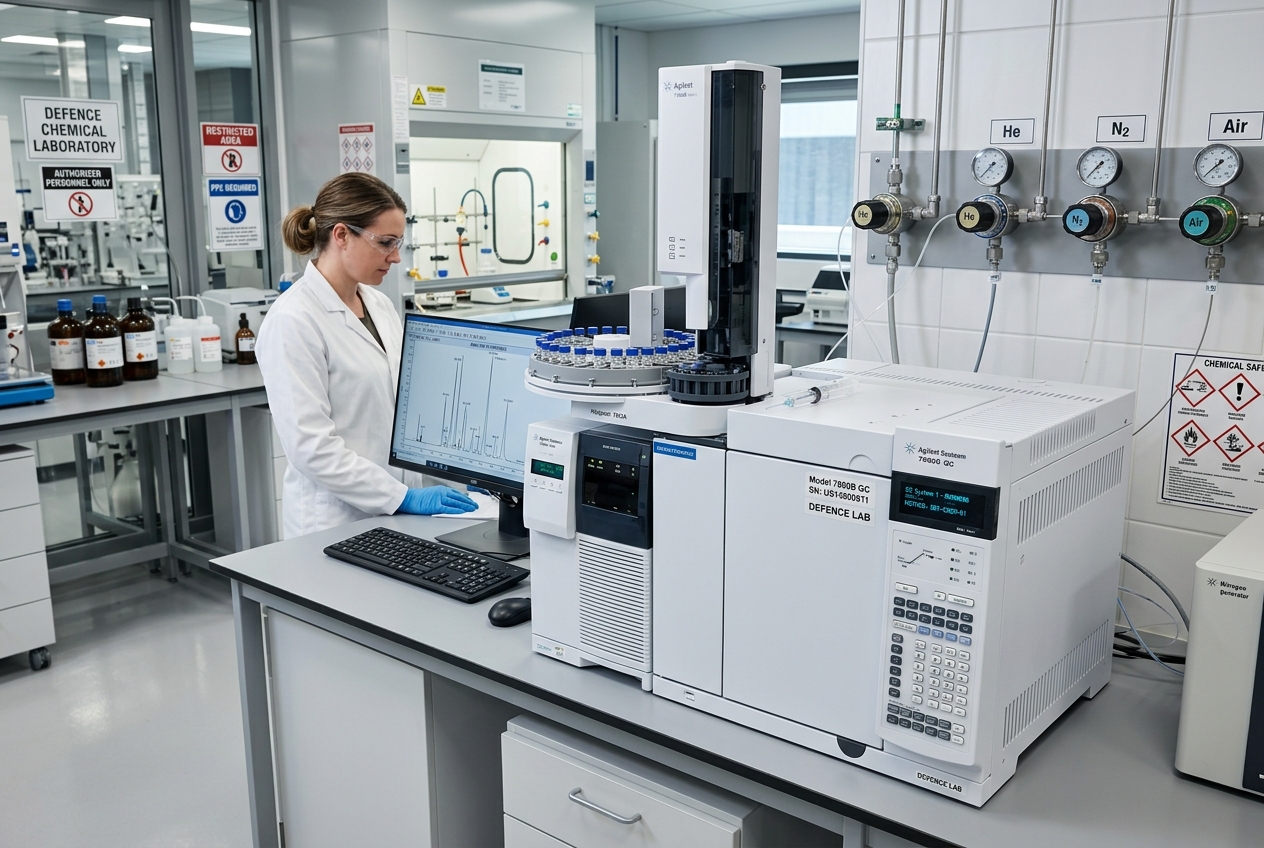
Analyzing complex mixtures often requires more than one technology. Hyphenated techniques—such as GC-MS, LC-MS/MS, or ICP-MS—combine the separation power of chromatography with the definitive identification capabilities of mass spectrometry. This synergistic approach allows laboratories to conquer previously impossible analytical challenges, reaching detection limits in the parts-per-trillion range.
Conclusion
As analytical challenges grow increasingly complex, maintaining a state-of-the-art laboratory infrastructure remains the most effective strategy for ensuring mission success. For tailored advice on configuring your laboratory, our team of technical experts is available to assist in navigating these complex procurement decisions.